Pizza Place Cheyenne Favorites for Weekend Gatherings
Weekend gatherings have their own tempo. Nobody wants a meal that needs constant attention, a sink full of pots, or a menu so complicated that half the group settles for something they do not really want. That is where pizza earns its place, not as a fallback, but as one of the most dependable ways to feed a mixed crowd well. In Cheyenne, that matters even more. Weekends here can mean a family birthday after a long workweek, a game on television with neighbors dropping in and out, a post-rodeo meal, a youth sports celebration, or a casual get-together when the weather turns and everyone would rather stay inside.
A good pizza night feels easy, but the ease is usually the result of smart choices. Size matters. Timing matters. Crust style matters more than people admit. If you are ordering for a larger group, so do side dishes, pickup logistics, and how long the food will still taste right once it hits the table. The best pizza place Cheyenne diners return to on weekends is usually not just the one with the biggest menu. It is the one that understands groups, handles volume without losing consistency, and offers enough variety to satisfy adults, teenagers, and picky younger kids in the same order.
Why pizza works so well for weekend hosting
Pizza solves three hosting problems at once. First, it is shareable without feeling sparse. A full spread of boxes on the counter immediately looks abundant, even before the first slice is gone. Second, it accommodates uneven arrival times. Unlike grilled steaks or plated pasta, pizza can be eaten the minute it lands or ten minutes later without falling apart as a meal. Third, it supports variety better than almost any other takeout option. One household wants extra cheese, another wants vegetables, one guest is looking for a meat-heavy pie, and somebody always asks whether there is a thinner crust. Pizza can absorb all of that without turning the order into a headache.
Over the years, one pattern shows up again and again at group gatherings. People remember the quality of the pizza less by any single topping and more by whether the meal stayed smooth. Did the order arrive complete? Was the crust still crisp enough to hold a slice? Were there enough napkins, enough ranch cups, enough room in the order for the person who wanted something simple? When a pizza place gets those details right, it becomes a regular weekend choice.
That is especially true in a city like Cheyenne, where gatherings often blend age groups and expectations. A small dinner party in another town might revolve around one carefully chosen entree. A Cheyenne weekend get-together is more likely to include relatives, family friends, a couple of extra kids, and one person who heard there was food and showed up right on time. Pizza handles that reality better than almost anything else.
What separates a reliable local favorite from a one-time order
The strongest pizza places are rarely chasing novelty alone. They may have creative combinations, but their reputation is built on consistency. The dough tastes the way you expect it to taste every time. The sauce is balanced, not watery, not aggressively sweet. Cheese coverage is even. Toppings are proportioned with restraint, because too many toppings can ruin structure faster than too few.
That structure matters. A pizza that collapses under its own weight may look generous in the box, but it is frustrating to serve at a gathering. Guests end up eating with two hands over a paper plate while grease runs down the crust. In a restaurant booth, that is inconvenient. At a busy house with people standing, talking, and reaching for drinks, it becomes messy fast.
The better pizza place Cheyenne hosts rely on usually shows care in less glamorous areas too. The kitchen understands timing during peak hours. The staff can estimate wait times realistically. pizza place cheyenne If there is a delay, they communicate it instead of pretending everything is on schedule. For pickup orders, the boxes are labeled clearly enough that you do not have to open every one on the kitchen counter while everyone circles nearby.
Those details sound small until you have experienced the opposite. Anyone who has hosted a weekend crowd knows the moment when one pizza is missing, one specialty pie is wrong, and the side order never made it into the bag. A smooth order lets the host act like a host instead of a crisis manager.
The kinds of pizzas that actually get eaten first
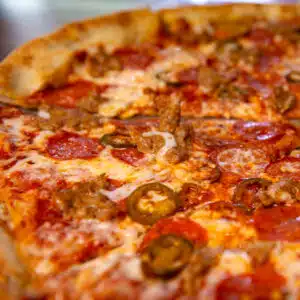
There is often a gap between what sounds exciting on a menu and what disappears first at a gathering. Specialty pizzas with bold flavors can be excellent, but the fastest-moving pies are usually the balanced ones. Pepperoni remains a staple because it delivers predictable flavor, pleases most age groups, and stays satisfying even at room temperature. A well-made sausage and mushroom pie often goes just as quickly, especially with adults who want something a little richer. Plain cheese, despite being underrated in some circles, is rarely a mistake. It covers kids, cautious eaters, and the guest who says they are not hungry, then reaches for a slice anyway.
Vegetable pizzas deserve more respect than they get. At well-run places, they are not an afterthought. When vegetables are cut thoughtfully and baked hot enough to avoid sogginess, they can add freshness that rounds out a heavy spread. Bell peppers, onions, black olives, spinach, and mushrooms are common choices for good reason. They hold up. Tomatoes can be trickier, especially if applied too generously, because they release moisture and soften the center.
Meat-lovers styles have their place, but they can slow down a table if every pie is loaded the same way. Heavy toppings satisfy a few people deeply, yet they can tire a crowd faster than a more mixed order. For most weekend gatherings, the smartest approach is to balance the indulgent pizzas with at least one lighter option and one universally familiar one.
Stuffed or deep styles can also be a mixed blessing. They feel hearty and celebratory, but they are slower to bake, slower to eat, and often less practical for standing guests. They make more sense for a seated dinner with a smaller group than for a come-and-go weekend crowd.
How to order for a mixed group without overcomplicating it
The best group orders strike a balance between variety and simplicity. Too little variety leaves somebody unsatisfied. Too much turns the meal into a scavenger hunt through eight different custom pies, half of which nobody can identify once the boxes are open.
A practical rule is to think in categories rather than in individual cravings. Build the order around broad appeal, then add one or two pizzas that feel more tailored to the crowd that is actually coming. If a group includes grandparents, children, and a few hungry teenagers, that is a different order than one for five adults watching football.
Here is a reliable framework that works for many weekend gatherings:
- one familiar pie, usually cheese or pepperoni
- one savory crowd-pleaser, such as sausage mushroom or supreme
- one lighter or vegetable-forward option
- one bolder specialty pie if the group enjoys variety
- enough breadsticks, wings, or salad to keep the meal from feeling one-note
That approach keeps the table inclusive without making ordering feel like a committee meeting. It also reduces waste. The most leftovers tend to come from over-customization, especially half-and-half combinations that only suit one or two guests.
Portion planning is worth a little thought too. Adults at a social gathering often eat two to three slices, though that number changes with crust style, side dishes, and how long the gathering lasts. Teenagers can easily outpace that. If there are wings, salad, cheesy bread, and dessert, consumption may dip slightly. If pizza is the only main event and the group is arriving hungry, it usually goes faster than expected. Hosts who underestimate tend to run short by only a pizza or two, but that feels very noticeable in the moment.
Pickup, delivery, and the hidden factor of timing
Food quality at a gathering is not just about how the pizza was made. It is also about when it was made relative to when people are ready to eat it. A pie that leaves the oven at the perfect moment can still disappoint if it sits too long in the back seat, trapped in steam, before getting to the table.
For that reason, pickup can be the better option when the pizza place is close and the host can leave at exactly the right time. Pickup gives you more control over the final stretch. You can go from oven to table with less uncertainty, and for larger orders, there is sometimes less risk than waiting on a driver juggling several stops. On the other hand, delivery is invaluable when the house is busy, guests are already arriving, or the host is handling children, drinks, and setup all at once. The right choice depends on distance, weather, and how tightly your evening is scheduled.
Cheyenne weather can influence this more than people expect. Cold, wind, and slick roads all change timing. A place that usually delivers quickly may need a longer window during storms or especially busy weekends. Good operators account for that and quote honestly. Experienced customers do too. If you are ordering on a Friday night during a big local event, the smartest move is to order earlier than you think you need to.
There is also a quality difference between pizzas that travel well and pizzas that are best eaten immediately. Thin crust can lose some crispness if it sits too long in a closed box. Pan or thicker crust styles often hold heat and texture better over a longer delivery run. If your gathering is twenty minutes from the restaurant and includes a bit of social lag before everyone starts eating, that can affect your order choice more than the menu description suggests.
Side dishes that help, rather than compete
A lot of weekend orders go wrong at the edges. The pizzas are fine, but the supporting items are mismatched. Too many heavy sides make the meal feel repetitive. Too few leave the spread looking thinner than it should. Good sides should widen the meal, not duplicate it.
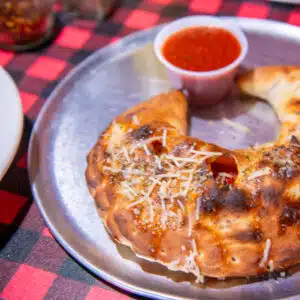
Wings are an obvious partner, though sauce selection deserves restraint. One spicy option and one milder option is usually enough for a mixed group. Garlic bread or breadsticks are useful because they feed younger guests and absorb appetite cheaply, but they can become redundant if every pizza already has a thick, doughy crust. Salad plays a practical role here. pizza place cheyenne It gives adults something fresh, offsets heavier toppings, and signals that the meal was actually thought through. At gatherings where several guests are trying to eat lighter, a good salad can matter more than a novelty side.
Dessert pizzas or sweet sticks can work if the event has a celebratory tone, though they are not always necessary. At birthday parties they land well. At more casual get-togethers, standard desserts from home often perform just as well and cost less.
Drinks matter too, though they are often decided at the last minute. If the meal leans salty and rich, people will drink more than expected. That is especially true in dry weather or heated indoor spaces where guests linger for hours. Running out of cold drinks is remembered far more sharply than not having enough dipping sauce.
Reading the room matters more than reading the menu
One mistake hosts make is ordering for the menu instead of for the people. A restaurant may offer ten interesting specialty pizzas, and several may be genuinely excellent, but the right order depends on the social dynamic. For a kids' team celebration, simplicity wins. For a relaxed adult gathering, a couple of more adventurous choices can lift the meal. For a family event with broad age ranges, moderation tends to outperform extremes.
If you know your guests well, you can shape the order around actual habits. Every family has a few constants. There is the person who always reaches for the veggie pie first. The uncle who wants extra red pepper flakes. The child who peels every topping off a slice but still insists on taking the slice with toppings. Once you recognize those patterns, ordering gets easier and cheaper because you stop chasing theoretical preferences and start feeding the real room.
That is one reason local knowledge matters when choosing a pizza place Cheyenne residents trust for gatherings. It is not just about finding a restaurant with good reviews. It is about finding one whose style fits your crowd. Some places excel at quick, straightforward family orders. Others stand out for artisan crust, specialty toppings, or higher-end ingredients. Neither is automatically better. The right fit is the place that matches the occasion and delivers consistently under weekend pressure.
Common ordering mistakes that make gatherings harder
Most pizza problems are avoidable. They usually come from overconfidence, under-ordering, or trying to please every possible preference with one giant, complicated order.
The mistakes I see most often are these:
- ordering too few plain or familiar pizzas
- choosing only heavy toppings and rich sides
- placing the order too late for peak weekend traffic
- forgetting serving basics such as plates, napkins, and drinks
- splitting too many pizzas into custom halves that confuse guests
Each of those creates friction. None of them is dramatic on its own, but together they can turn a simple meal into a scattered one. The host spends the first twenty minutes sorting, apologizing, and improvising instead of enjoying the company.
There is also the issue of leftovers. People often assume leftovers are harmless because pizza reheats well. Sometimes that is true. But an overbuilt order can leave you with three specialty pies nobody wants the next day. Standard combinations keep better and are more likely to get eaten later. If your group tends to fade out early or snack more than dine, order a little less and supplement with sides. If they are known big eaters, add one extra crowd-pleasing pizza rather than several niche ones.
What makes a pizza memorable after the weekend is over
When people talk about a great pizza gathering a few days later, they usually do not describe every ingredient. They remember that the host seemed relaxed, the food kept coming at the right pace, and there was something for everyone without the meal feeling generic. That result depends on the restaurant, but it also depends on judgment.
The memorable pizza places are often the ones that understand the social role of their food. They know they are not just sending out dinner. They are supplying birthday tables, team celebrations, family movie nights, and impromptu neighbor visits. Their food has to survive the trip, satisfy different appetites, and still taste like it was made with care. That combination is harder to pull off than many diners realize.
For weekend gatherings in Cheyenne, favorites emerge for good reason. They are the places where crust texture remains reliable, toppings feel deliberate, and staff can handle volume without unraveling. They are the places where pickup is smooth, delivery windows are honest, and the food still feels worth sharing by the time the first box opens.
If you are planning your next get-together, the safest bet is not to chase the biggest menu or the flashiest pie. Look for a pizza place Cheyenne locals trust when they need a meal to carry the evening without stealing it. The best weekend pizza does exactly that. It gives people a reason to gather around the table, stay a little longer, and leave satisfied, which is about as much as any host can ask from dinner.
Ruffrano's Hell's Kitchen Pizza Cheyenne
Address: 1670 E Cheyenne Mountain Blvd, Colorado Springs, CO 80906
Phone number: +17195764355
FAQ About Pizza Place Cheyenne
What's the most popular pizza place?
The "most popular" pizza place depends on whether you measure by location count, total sales, or customer favorite status.
What is the 2 pizza rule?
The two-pizza rule is a management principle made popular by Amazon founder Jeff Bezos. It states that a team or meeting should never be larger than what can be fed with two large pizzas—typically translating to a group of 5 to 10 people (or roughly 6 to 12 people depending on appetites).
Is 2 pizzas enough for 10 people?
No, 2 pizzas are usually not enough for 10 people.